Sanrio, the Japanese company behind Hello Kitty, has apologised and ended a merchandise collaboration with the Japanese spy drama Vivant, after Chinese state media and social media users condemned the show’s depiction of Chinese agents.
The company’s statement came late on Wednesday 28 October, Japan time, the BBC reported, and was posted on Weibo, according to the Guardian. The collaboration had dressed Hello Kitty, My Melody and Cinnamoroll as characters from the series, the BBC reported, and Sanrio said it was ending the deal because the project “contained elements inconsistent with Sanrio’s core values”.
What Sanrio Said
The statement, as reported by the BBC, set the decision against the company’s own account of what its characters are meant to stand for. “Since its inception, Sanrio has consistently used its characters to convey values such as care and connection, and remains committed to its corporate philosophy of fostering harmony among all people,” it said.
It then turned to the criticism and to what the company would change: “We take the feedback we have received regarding this incident very seriously. Moving forward, we will strengthen our review processes for all future collaborative projects.”
The Scene Behind the Backlash
Vivant is produced by TBS and stars Masato Sakai as a salaryman who is drawn into crime and espionage, the Guardian reported. Its first season aired in 2023 and was set in a fictional Central Asian country, and its second season premiered in July, according to the BBC.
The objections centre on the episode of 4 October, in which a Chinese agent cuts off the fingers of a Japanese intelligence officer and stabs him in the abdomen, the Guardian reported. Chinese state outlets including CCTV said the tactics shown on screen “highly overlap” with those of wartime Japanese troops, and that the drama “distorts the truth”, according to the BBC.
The Global Times went further, saying the methods on screen “bear striking similarities to the torture inflicted on Chinese nationals by invading Japanese troops”, as reported by the Guardian. Turning to the merchandise, the same paper said the character “should not dance with Japan’s right wing”, the BBC reported.
TBS has defended the programme. Its president, Masamine Ryuho, said on Wednesday 28 October that the show was fictional and was made with no intention of “disparaging any particular country”, according to the BBC.
Beijing then weighed in at government level. On Thursday 29 October, a Chinese foreign ministry spokesperson said the incident should “serve as a warning to the international community and discerning people in Japan”, the BBC reported.
What Is at Stake in China
The Guardian, citing Chinese media, reported that Sanrio made 781 million yuan in revenue in China in the first half of 2026, up more than 40% on a year earlier. The figures cover a period in which relations between Beijing and Tokyo were already strained, and that strain predates the Vivant dispute.
A Brand Caught Between Two Markets
Relations between the two countries sank after Prime Minister Sanae Takaichi suggested in November 2025 that a Chinese attack on Taiwan could bring in Japan’s self-defence forces, the BBC and the Guardian reported. Since then, Beijing has restricted rare earth exports, curbed tourism and reclaimed pandas, according to the BBC.
Ms Takaichi has also mentioned the series itself. She said in October that she had recorded Vivant to watch over the holidays, both outlets reported.
The episode at the centre of the row aired on 4 October. Sanrio’s apology followed late on Wednesday 28 October, and the Chinese foreign ministry spoke on Thursday 29 October. Sanrio, a Japanese company whose revenue in China grew in the first half of 2026, has ended a deal struck around a Japanese broadcaster’s drama because of criticism from China. It has also said it will strengthen how it reviews future ones.
More world news is in our International section.
Sources: BBC News, “Hello Kitty maker cuts ties with Japanese spy drama after China backlash”, 29 October 2026 (https://www.bbc.co.uk/news/articles/cry4x177jlnyo); The Guardian, “Hello Kitty company cuts ties with Japanese spy show after China outcry”, 29 October 2026 (https://www.theguardian.com/world/2026/oct/29/hello-kitty-japanese-spy-show-vivant-china-outcry)
Photo: Kakidai, CC BY-SA 4.0, via Wikimedia Commons.
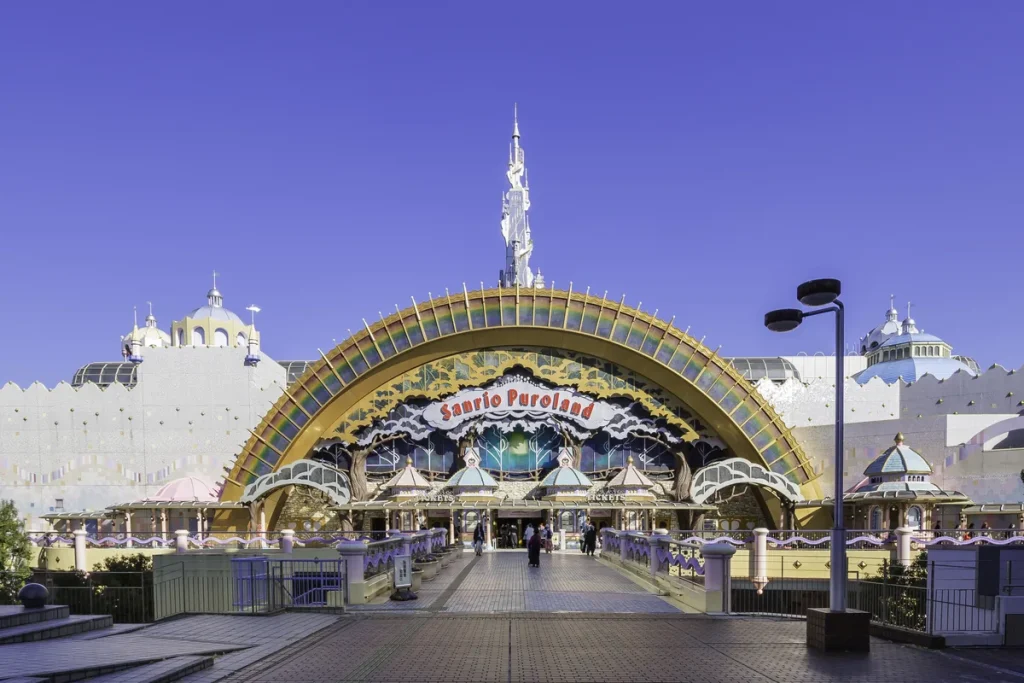
The entrance to Sanrio Puroland, the company’s indoor theme park in Tama, Tokyo, in November 2024.