
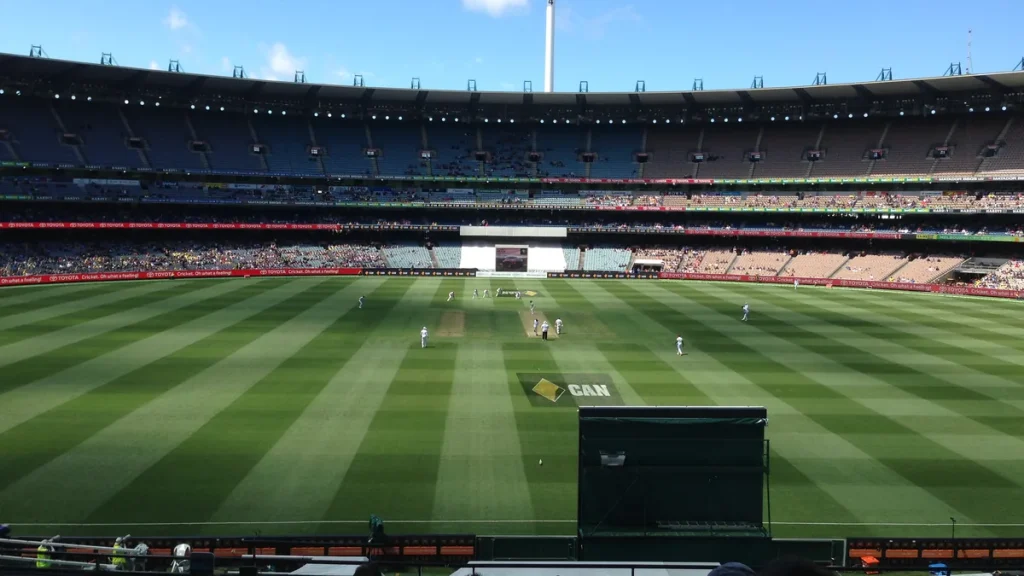
Australia is preparing for one of the most significant events in cricket history, with plans underway to mark 150 years of Test cricket at the Melbourne Cricket Ground. The landmark match, scheduled for 2027, is already drawing global attention, not only for its historical importance but also for the scale of celebrations being organised around it. Among those invited is King Charles III, alongside some of the most prominent figures the sport has ever produced.
The event commemorates the first-ever Test match played in 1877 between Australia and England at the same venue. Nearly a century and a half later, the Melbourne Cricket Ground is set to host a special anniversary Test that aims to honour the game’s long tradition while showcasing its modern evolution.
Cricket Australia has confirmed that more than 125,000 tickets have already been sold for the first four days of the match, nearly a year in advance. This level of demand is unprecedented for a Test match in the country and highlights the enduring appeal of the format despite the rise of shorter versions of the game.
According to Cricket Australia chief executive Todd Greenberg, the ticketing process itself has contributed to the surge in interest. For the first time, tickets were distributed through a ballot system, which generated a strong response from fans both domestically and internationally. Officials report that more than half of the tickets sold so far, around 68,000, have been purchased by people living outside Victoria, underlining the event’s global pull.
Remembering the Centenary Test of 1977
The Test will also mark the first time a match at the Melbourne Cricket Ground is played under lights using a pink ball. Day-night Tests have been gradually introduced over the past decade to improve attendance and television viewership, particularly in prime-time broadcasting slots. Cricket Australia data indicates that pink-ball Tests have generally recorded higher evening attendance figures, with average crowd increases of 15 to 20 percent during twilight sessions compared to traditional daytime matches.
The upcoming match is expected to be far more than a sporting contest. Authorities are planning a week-long festival of cricket, featuring cultural events, live entertainment, business forums and international gatherings. There are also discussions about hosting meetings involving the International Cricket Council, potentially bringing administrators from across the cricketing world to Melbourne at the same time.
At the centre of the celebration will be an extraordinary gathering of cricket figures. Invitations have been extended to every living participant from the famous Centenary Test of 1977, as well as all living captains of Australia and England and members of the ICC Hall of Fame. Officials believe this could become the largest assembly of elite cricketing talent ever seen at a single event.
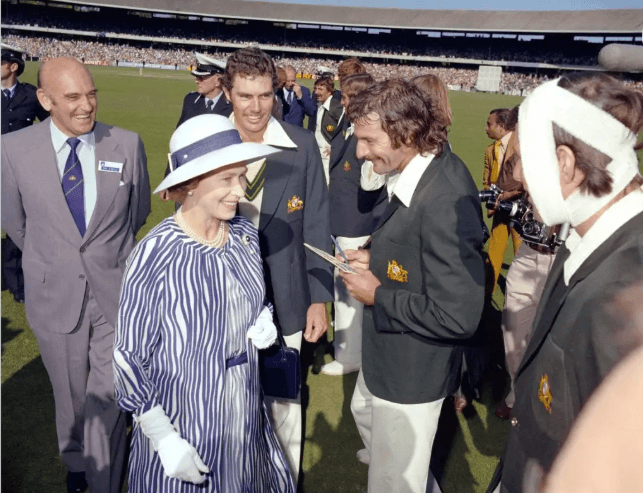
The Centenary Test itself remains one of the most iconic matches in cricket history. Played in 1977 to mark 100 years of Test cricket, it drew a total attendance of 248,260 spectators across five days. Australia won the match by 45 runs, the same margin as the inaugural Test in 1877, creating one of the sport’s most memorable coincidences. Performances from players such as Dennis Lillee, Rod Marsh and Derek Randall are still widely discussed in cricketing circles today.
The possibility of a royal presence adds further prestige to the upcoming event. Queen Elizabeth II attended the Centenary Test in 1977, and organisers are hopeful that King Charles III will continue that tradition. Formal invitations have been sent through official diplomatic channels, although confirmation of attendance has not yet been finalised. Planning for a potential royal visit has reportedly been underway for more than two years.
The return of the original Ashes urn is also being explored. The urn, one of the most recognisable symbols in international sport, has been housed at Lord’s Cricket Ground in London since 1882 under the care of the Marylebone Cricket Club. Negotiations are ongoing to bring it to Australia for the anniversary match, even though the fixture itself is not part of an official Ashes series.
From an economic perspective, the event is expected to deliver a substantial boost to Victoria’s tourism sector. Major sporting events in Melbourne have historically attracted large interstate and international crowds. According to Tourism Research Australia, sporting events contribute billions annually to the national economy, with high-profile matches often generating significant hotel occupancy and local business activity.
The following table highlights key figures associated with the upcoming Test and past milestone events:
| Category | Figure / Detail |
|---|---|
| Anniversary being celebrated | 150 years of Test cricket |
| First Test match | 1877, Australia vs England at MCG |
| Centenary Test attendance (1977) | 248,260 total spectators |
| Tickets sold (2027 Test) | Over 125,000 (first four days) |
| Interstate/overseas ticket share | Approximately 68,000 tickets |
| Match format | Day-night Test with pink ball |
| Expected tourism impact | Significant increase in visitor numbers |
| Potential royal attendance | Invitation extended to King Charles III |
While enthusiasm for the event is strong, there are ongoing discussions about the future of day-night Tests involving England. Reports from the United Kingdom suggest some hesitation from English cricket authorities regarding pink-ball matches, citing playing conditions and visibility concerns. However, Australian officials remain open to continuing the format, particularly given its commercial and broadcasting advantages.
Cricket Australia has indicated that pink-ball Tests currently make up around one in every five matches in the domestic summer schedule. Administrators believe this balance allows for innovation without compromising the traditional character of the game.
As preparations continue, the 150th anniversary Test is shaping up to be a defining moment for cricket. It combines history, global participation and modern entertainment in a way few sporting events can match. Whether or not King Charles III ultimately attends, the occasion is expected to draw worldwide attention and reinforce the Melbourne Cricket Ground’s place as one of the sport’s most iconic venues.
Sources: smh, https://www.smh.com.au/sport/cricket/king-charles-on-the-invite-list-for-test-cricket-s-mcg-celebration-20260310-p5o942.html
Photo: Jenks24, CC BY-SA 3.0, via Wikimedia Commons.