South Aussie Coast Hit by a Real-Life Aquatic Apocalypse
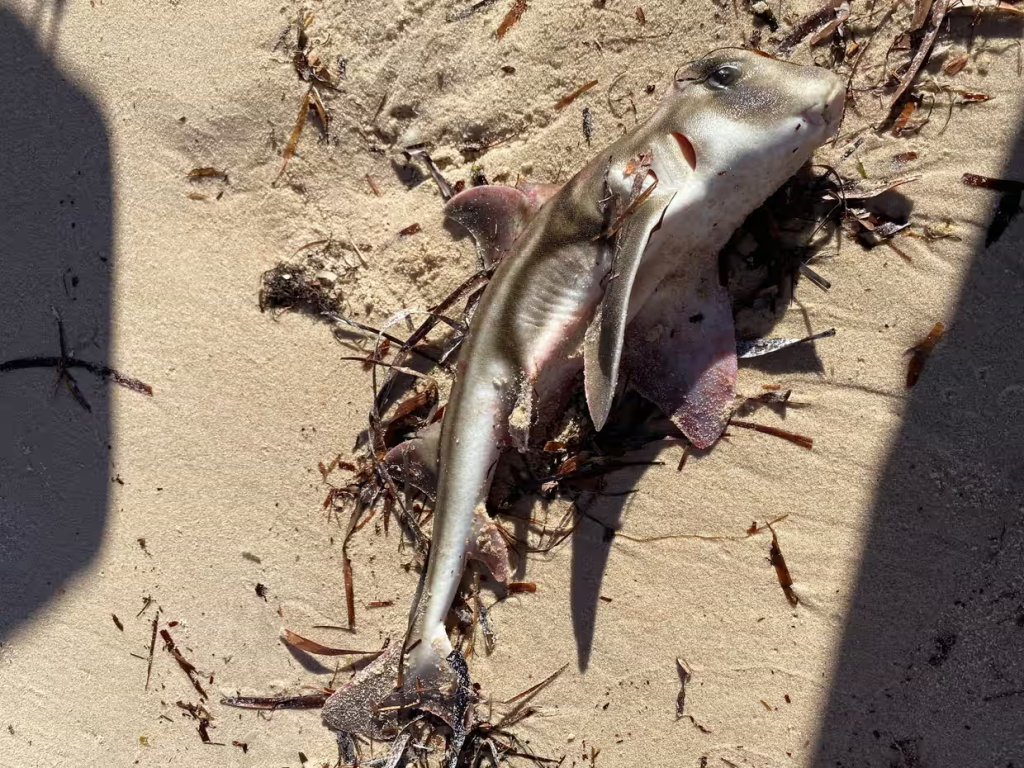
South Australia’s coastline is currently starring in its own low-budget marine horror flick, and unfortunately, the cast is made up of real-life fish, sharks, and octopuses — all victims of a toxic algal bloom that’s been spreading since March 2024.
The villain? A microscopic menace called Karenia mikimotoi, an algae that’s doing more damage than a hungry great white on a seafood diet.
The Devastation in Numbers
| Affected Category | % of Dead Species | Notable Examples |
|---|---|---|
| Ray-finned fish | 47% | Snapper, whiting, mullet |
| Sharks & Rays | 26% | Gummy sharks, stingrays |
| Cephalopods | 7% | Squid, octopuses, cuttlefish |
| Decapods (Crustaceans) | 6% | Crabs, lobsters, prawns |
| Others (incl. rare) | 14% | Leafy sea dragons, bivalves, shellfish |
What’s Karenia mikimotoi, and Why Is It So Deadly?
Described by scientists as a “toxic blanket”, this algae isn’t just bad news — it’s multi-taskingly lethal. According to marine biologist Prof Shauna Murray, it:
- Suffocates fish by clogging their gills
- Acts as a neurotoxin (turning Nemo into a confused mess)
- Causes internal bleeding in fish
- Has turned local beaches into morgues for sea creatures
Environmental Factors Fueling the Bloom
- Sea Temps: 2.5°C hotter than usual
- Winds: Too calm, with weak marine movement
- Swell: Small waves = less water turnover
- Region Impacted: From Fleurieu Peninsula to Kangaroo Island, 150+ km stretch
“This bloom is the worst we’ve ever seen in SA,” said Brad Martin from OzFish SA, “It’s like a horror movie, but the victims are fish.”
Economic & Ecological Fallout
- Oyster farms shut down
- Pipi harvesting paused
- Commercial fisheries impacted
- Fingerlings and breeders lost
- Tourism suffering from beach closures and fish die-offs
“It’s hit everything from baby fish to breeding-age adults,” said Martin. “We’re talking long-term damage to ecosystems and seafood supply.”
What’s Being Done?
- Experts call for better warning systems — to detect harmful algal blooms early
- Calls for climate action — as marine heatwaves continue to rise
- Need for wind — Yes, literally. Strong westerlies are nature’s only known cure for dispersing Karenia blooms
The state’s Environment Department confirmed that persistent high-pressure systems were delaying the winds needed to break the bloom’s hold.
Not the First Rodeo
Back in 2013, a similar algal bloom — Alexandrium catenella — shut down the entire Tasmanian seafood industry for four months. And this one might not be far behind.
What Locals Are Saying
“It’s like if Jaws was made by Pixar — everyone’s dying, and it’s colourful.” – A local fisherman, probably
“Our oysters are out of work. Even the pipis have pipi-ed off.” – SA seafood processor
Final Word
Between climate change, rising sea temps, and algae on a murder spree, Australia’s marine life is under siege. While the bloom isn’t a threat to humans (unless you’ve got very sensitive skin or gills), it’s a harsh reminder that our ocean systems are on a knife’s edge — and that even microscopic enemies can pack a massive punch.