The Australian Bureau of Statistics is counting about 10.5 million households on Census night. Roughly 3.5 million forms had been completed as at Census day, the bureau says, and 30,000 field staff are working across the country.
The count happens on one night, but its results are meant to last for years. Every household answers the same questions on the same night, which allows the bureau to compare one part of the country with another, and those answers become the population figures that governments, councils and community organisations plan around. The questions cover who lives where and how people live, including age, household composition, work and the languages spoken at home.
Who Has To Be on a Form
Every person in Australia on Census night must be included on a form, and that takes in visitors staying in a household overnight as well as people in the country on a temporary visa. Households with more than one family under the same roof record everyone present on a single form for the address.
Completion is compulsory under the Census and Statistics Act 1905, and the Act carries penalties for people who refuse to complete a form. The requirement rests on the household, which is responsible for making sure everyone present on the night is counted, and forms for children and anyone else who cannot answer for themselves are completed by the householder or another adult present. The bureau’s guidance says the count aims to include every person in Australia on the night, wherever they are staying.
How the Count Works This Year
Households have been sent a 16-digit Census number and a temporary password, and those details open the online form. The same form can be reached through a myGov account, and anyone who cannot complete the census online can ask the bureau for a paper form. Field staff are available to help households that need assistance, and the bureau has asked people to complete their form on Census night itself, when everyone present at the address is recorded.
The Households Hardest To Count
The 30,000 field staff are deployed across the country, with much of the work directed at the populations that a national count finds hardest to record. People staying in homelessness services, people in prison, residents of aged care homes and households in remote communities are among the groups the bureau works to include, often through arrangements made with the services that shelter or support them.
Distance is the obstacle in remote communities, where staff travel long routes to reach households face to face rather than by post. Language can be a further barrier in some homes, and people who are sleeping rough or moving between addresses are difficult to record on a single night, which is why the count leans on homelessness services and other providers to make contact.
Work with those services matters for the accuracy of the totals, because households and people missed on the night will be absent from the figures for years afterwards.
No Results Until June 2027
The bureau says the first data from the 2026 Census will not be published until June 2027, and that the release will be progressive, with headline figures coming first and more detailed data following over the months and years after that.
The figures reported during the count are described as pre-completion figures, and they record how many households have taken part rather than what the census has found. They are current as at Census day, and they describe how the operation is going, not what it has produced.
No figures on population, households, income, ancestry or any other subject the census covers will exist until the bureau publishes them. The bureau has to process millions of forms and check the responses before any of those figures can be published.
Why the Count Still Matters
The bureau says the census is the most detailed set of population figures Australia produces, and the results are used to distribute funding and plan services across the country. Hospitals, schools, transport and housing are planned around the numbers, and the same population counts feed into decisions about how federal electoral seats are distributed between the states.
The bureau also publishes data for small areas, down to the level of a suburb or a country town, and local councils and community groups use those figures in their own planning. The bureau will spend the months after Census night processing responses and checking the totals before any of them are published. For most households, the work ends when the form is submitted, and the figures that follow will not be published until June 2027.
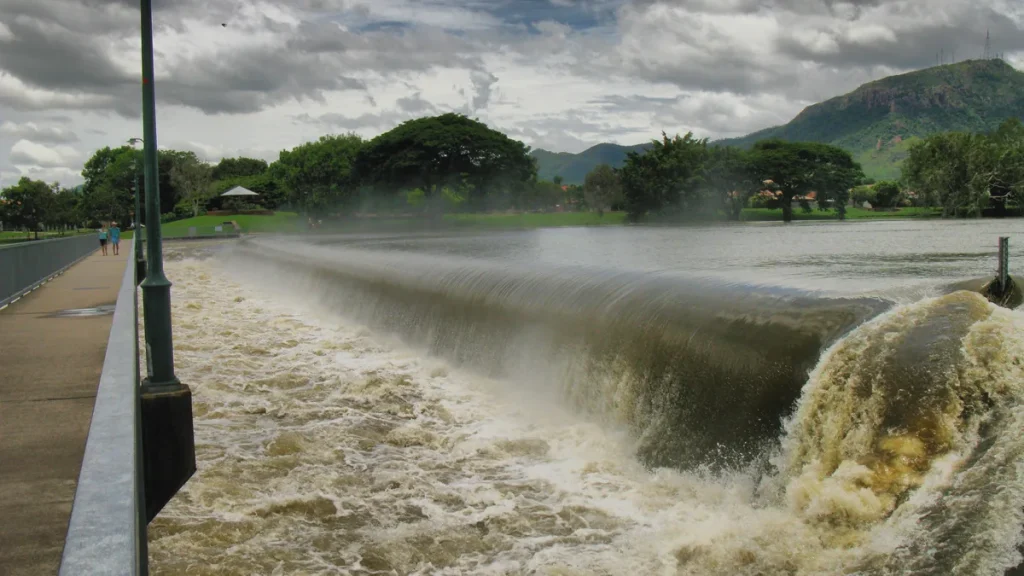
Related: Northern parts of Queensland bracing for heavy rainfall, potential flooding
Sources: ABS Census, https://info.census.abs.gov.au/about; ABS Census, https://info.census.abs.gov.au/about/doing-census; legislation.gov.au, https://www.legislation.gov.au/F2025L00840/asmade/2025-07-10/text/original/pdf
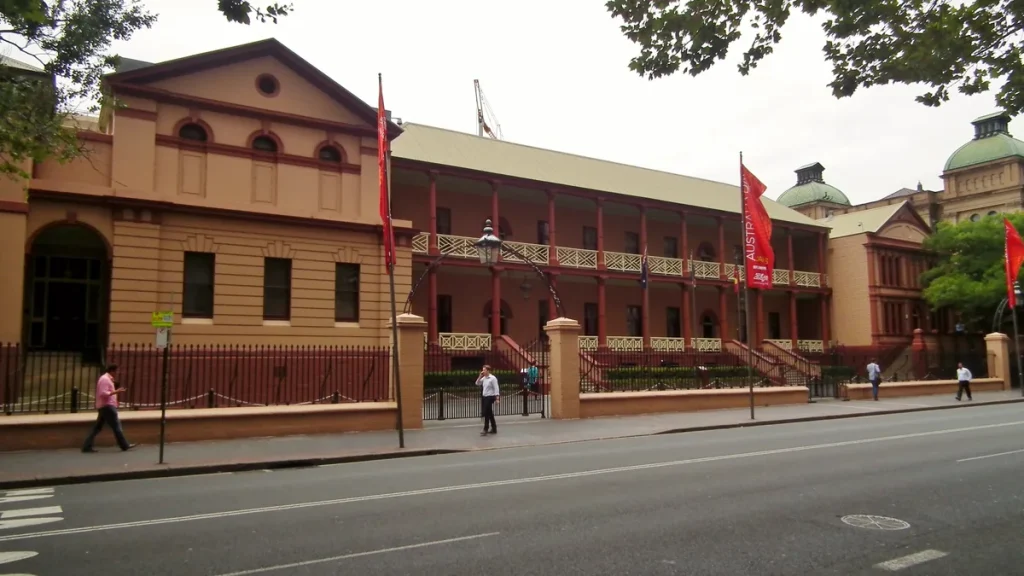
Photo: Philip Mallis, CC BY-SA 2.0, via Wikimedia Commons.
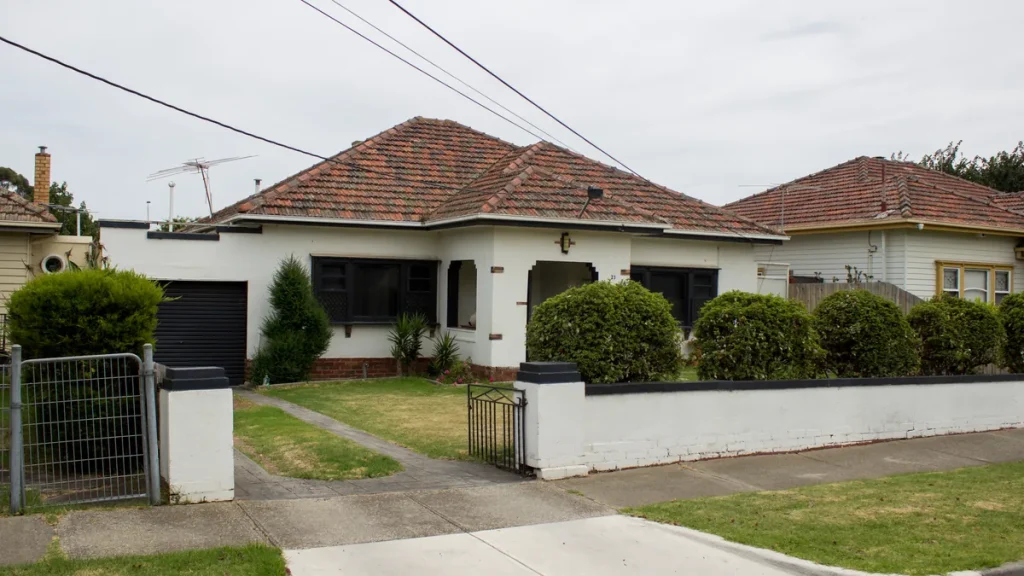
Illustrative – a suburban street in Melbourne. No occupant is identified in the article.